
Sewage in a drain
Wastewater rises in a tub, shower, or floor drain.
Emergency drain cleaning is fast help for sewage backups, overflowing toilets, and fully blocked lines. Stop using water and call (562) 581-6065 now. Ask about same-day and after-hours availability, because response times depend on the schedule and the location of the problem.
Last updated:
The basics
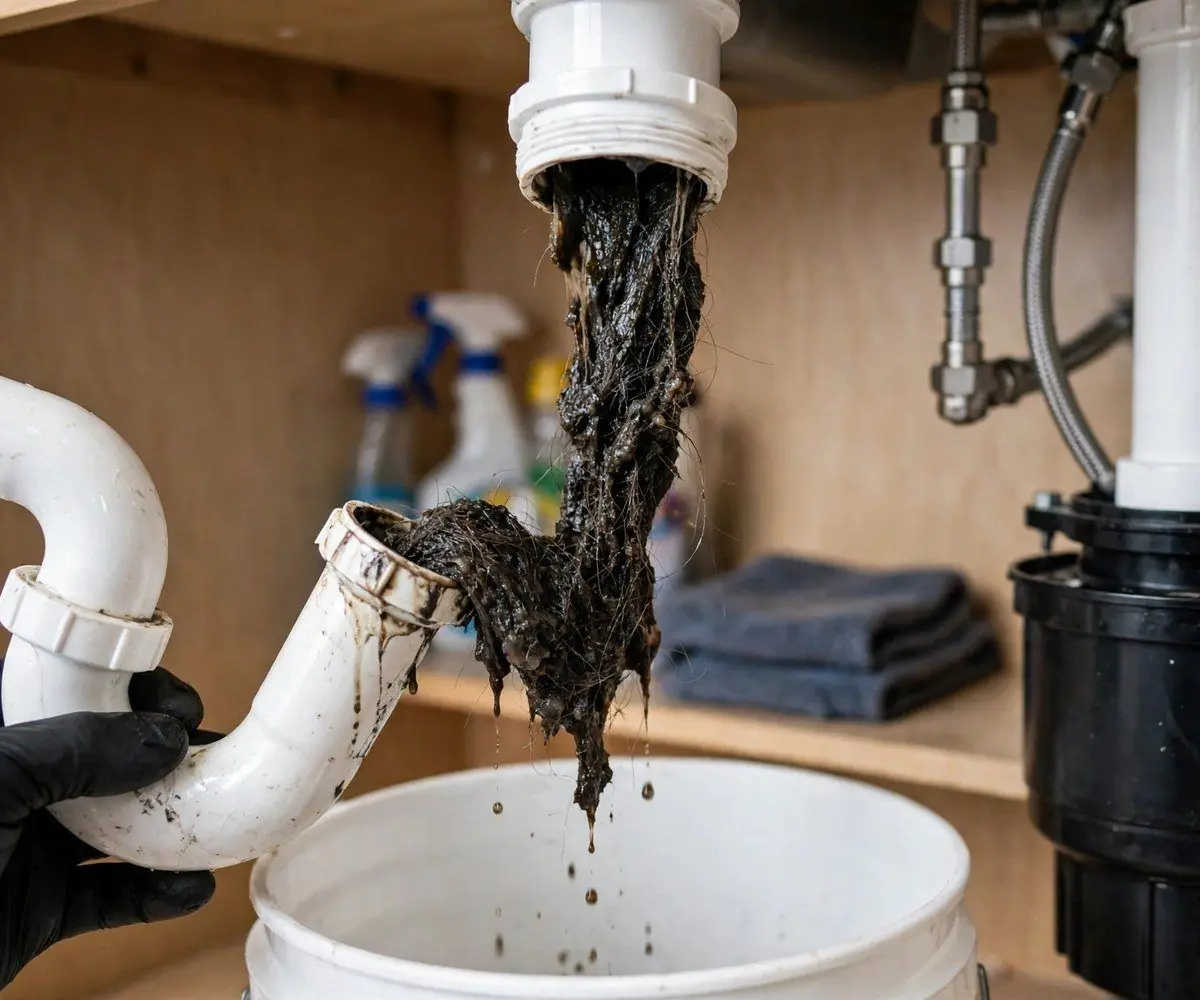
A drain emergency is any blockage that sends wastewater into the home or stops every fixture from draining. Sewage rising in a tub, floor drain, or toilet is the clearest case, because the water carries bacteria and spreads damage with each minute.
Emergencies differ from urgent clogs. A single slow sink is urgent but can wait for a scheduled visit. A backup into the house is an emergency because the water keeps coming whenever anyone runs a faucet or flushes. A line that is blocked at the main stops the whole house.
A plumber first stops the source of the problem, usually a blocked main line, and then looks for the cause. Sewer backup cleanup covers what to do while you wait, and main drain cleaning describes how the line is cleared.
When to call
Call for emergency drain help when sewage rises from any drain, when a toilet overflows and will not stop, or when every fixture in the home is blocked at once. Waiting turns a cleaning into a flood and a cleanup, so the call is worth making right away.
Wastewater rises in a tub, shower, or floor drain.
The bowl fills past the rim and does not stop.
No fixture drains, even after plunging.
Restrooms or kitchen drains stop during operating hours.
The process
While you wait for a plumber, take five actions: stop using water, keep people away, shut off the toilet supply, avoid electrical hazards, and prepare to describe the problem. These steps keep the damage small and help the plumber bring the right tools.
No flushing, showers, laundry, or dishwasher until the line is clear.
Turn the oval handle behind the toilet clockwise to stop the tank.
Keep them away from standing sewage.
Do not step into water near outlets, cords, or appliances.
Which drains are backing up and when it started helps the plumber.
In Norwalk
For a blockage inside your property, call a plumber. For a manhole overflow or a spill in the street, call the City of Norwalk Public Services Department at (562) 929-5511 during business hours, or the Norwalk Sheriff's Department after hours. The city runs 24-hour emergency response for sewer issues.
The City of Norwalk Sewer Policy makes the owner responsible for the private lateral, including the part under the street. A plumber's camera video helps show whether the blockage sits on your side or in the public main.
Crews handling emergency drain cleaning work the whole city. Look at the coverage page to see which streets, parks, and landmarks are on the route map.
Cost factors
Emergency drain cleaning costs more than a scheduled visit because it happens outside normal hours and needs quick action. The cause of the blockage and the machine needed also affect the price. Ask for the after-hours charge and the repair price before work starts.
| Emergency factor | Lower cost when | Higher cost when |
|---|---|---|
| Timing | Business hours | Night, weekend, or holiday |
| Blockage | A fixture drain | The main line or lateral |
| Cause | Paper or debris | Roots, grease, or damaged pipe |
| Equipment | Hand cable | Cable machine and camera |
| Follow-up | None | Hydro jetting or repair |
Emergency pricing includes the hour of the call. Ask for the after-hours charge and the repair price before work begins.
Details that matter
Response time depends on the plumber's schedule, the time of day, and the location of the call. No honest plumber can promise a fixed arrival time before hearing the problem. Ask direct questions when you call, and expect a clear answer about timing and pricing.
Ask when the plumber can arrive, whether after-hours fees apply, and what the price includes. Ask for a written quote on arrival, and ask for the contractor license number.
The plumber finds the blockage, usually with a cable or camera at the main cleanout, and clears it to stop the backup. Cleanup of affected floors is separate. See clogged drain repair for smaller blockages.
A toilet overflow with no backup in other fixtures is often a local clog. A toilet that overflows while other fixtures also gurgle points to the main line. Toilet clog repair describes both cases.
Straight answers
Not by itself. A clogged toilet that is not overflowing can wait for a scheduled visit. It becomes an emergency when it overflows and will not stop, or when sewage rises in other drains.
Do not keep using water, do not mix chemical cleaners, and do not touch standing sewage with bare hands. Stay out of water near electrical outlets. Call a plumber and wait.
It depends. A single slow drain can wait. A sewage backup cannot, because every use of water adds to it. If you cannot stop the flow into the house, call right away.
Rarely for the cleaning itself, because the clog is a maintenance issue. Water damage from a backup may be covered if you have a sewer backup endorsement. Call your insurer and photograph the damage.
References
Ready to fix it?
Call now, describe the problem, and ask about same-day and after-hours availability and fees.
(562) 581-6065